
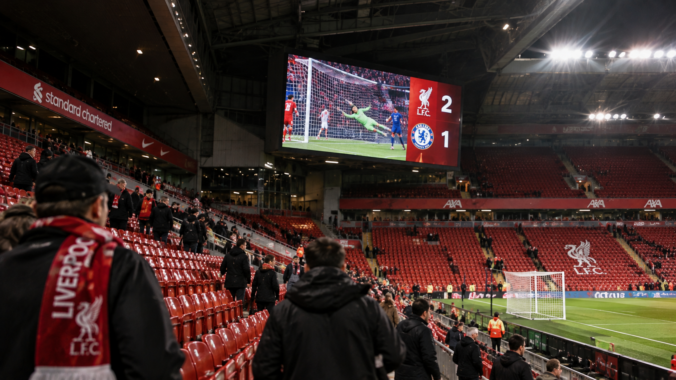
A great football match rarely belongs to just one afternoon. Long after the final whistle, supporters continue discussing the decisive goal, the unexpected comeback, the goalkeeper’s extraordinary saves or the controversial decision that changed everything. Some encounters become part of a club’s identity, while others remain unforgettable because they captured the spirit of an entire generation. This is why Premier League match replays have become such an appealing part of modern football culture. Watching a game again offers more than an opportunity to revisit the result. It allows supporters to rediscover the atmosphere, understand the decisions behind important moments and experience the stories that have shaped English football.
The Premier League has produced countless matches that deserve a second look. Its history is filled with dramatic finishes, unexpected champions, legendary performances and rivalries that have developed over decades. For some viewers, returning to an old fixture is an exercise in nostalgia. For others, it is a chance to understand how the modern game evolved and why certain teams and players became so influential.
Why Football Becomes Even More Interesting the Second Time
Live football is driven by anticipation. Supporters follow the ball, react to every attack and wait for the next opportunity. The emotional intensity of the experience is one of the sport’s greatest attractions, but it can also make it difficult to appreciate everything happening on the pitch.
Watching a match again creates a different relationship with the action. The uncertainty of the result is gone, allowing the viewer to concentrate on details that may have been overlooked. A seemingly ordinary pass might turn out to be the beginning of a decisive attacking move. A defender’s positioning may explain why an opponent struggled to create chances. A substitution that appeared unimportant during the live broadcast may reveal itself as the turning point of the match.
This second perspective is particularly valuable in the Premier League, where the speed and physical intensity of competition often leave little room for reflection. Teams move quickly between attacking and defensive phases, players constantly adjust their positions, and tactical decisions can influence the outcome within seconds.
A replay makes it possible to slow down mentally, even when the footage itself continues at its original pace. Supporters begin to see the structure behind the spectacle and appreciate the small contributions that make memorable moments possible.
The Premier League’s Greatest Matches Are Part of Its Cultural Memory
Every football competition develops a collection of matches that become inseparable from its history. In the Premier League, these encounters often represent more than three points or a change in the standings. They capture dramatic periods in the lives of clubs and the communities surrounding them.
The extraordinary conclusion to the 2011–12 title race remains one of the clearest examples. Manchester City’s last-minute victory over Queens Park Rangers transformed the final moments of the season into an unforgettable piece of football history. The match is remembered not simply because of the result, but because of the tension, the changing circumstances and the extraordinary timing of the winning goal.
Another example is Leicester City’s title-winning campaign in 2015–16. The team’s achievement challenged assumptions about financial power and established sporting hierarchies. Looking back at individual matches from that season helps explain how collective discipline, confidence and consistency combined to create one of football’s most remarkable stories.
These games are valuable because they preserve the emotions of their original moment. A supporter who watched the events unfold live may revisit them to remember the excitement. Someone discovering them years later can understand why they became legendary.
The official Premier League Archive now provides access to historical match material from across the competition’s history, including highlights and full-match recordings. In August 2026, the league announced that recordings and highlights from all 380 matches of the 2025–26 season had become available through its archive.
Discovering the Details Behind a Famous Goal
Goals are the most obvious reason to revisit a football match, but the best attacking moments often involve several decisions that happen before the final shot.
A striker may receive the attention for finishing an opportunity, yet the real quality of the move could lie in a midfielder’s ability to turn under pressure or a winger’s perfectly timed run. A defender might be drawn out of position, creating the space that allows another attacker to enter the penalty area.
Watching the sequence again helps reveal these connections. It also demonstrates why football is fundamentally a team sport. Even extraordinary individual talent usually depends on cooperation, awareness and the ability to recognise opportunities created by teammates.
The same is true of spectacular defensive moments. A goalkeeper’s save may appear almost impossible, but the replay can show how a defender’s positioning forced the attacker into a narrower shooting angle. A last-second clearance might be the result of several minutes of organised defensive work.
This perspective makes repeated viewing particularly rewarding for people interested in understanding the game rather than simply remembering its final score.
Tactical Evolution: How English Football Has Changed
Revisiting matches from different Premier League eras reveals how dramatically football has evolved. The competition has experienced changes in formations, pressing systems, physical preparation and the responsibilities assigned to individual positions.
Earlier generations of English football often placed greater emphasis on direct attacking play, crosses and traditional centre-forward roles. Those characteristics remain part of the game, but modern teams frequently use more flexible structures. Full-backs can move into midfield, centre-backs are expected to contribute to possession and forwards regularly participate in defensive pressing.
The role of the goalkeeper has also changed. In many modern systems, the goalkeeper is expected to participate in building attacks, maintain accurate distribution and act as an additional passing option when opponents apply pressure.
Comparing matches from different decades makes these changes easier to recognise. A viewer can observe how the distance between defensive and attacking lines has evolved, how teams manage possession and how the speed of transitions influences tactical decisions.
It also becomes clear that football development is not simply a process of replacing old ideas with new ones. Different approaches continue to coexist, and successful teams often combine traditional strengths with modern innovations.
The Rivalries That Give the Competition Its Character
The Premier League’s appeal is closely connected to its rivalries. Matches between historic opponents carry emotional significance that extends beyond the immediate sporting situation.
The Manchester derby, North London derby, Merseyside derby and meetings between other traditional rivals all have their own histories. They are shaped by geographical proximity, past achievements, periods of dominance and the memories supporters have accumulated over generations.
A replay of an important derby can reveal details that were difficult to appreciate during the original broadcast. The way a team responds to pressure, the intensity of individual duels and the atmosphere inside the stadium all contribute to the character of the encounter.
These rivalries also demonstrate how football becomes part of local identity. Club colours, chants and matchday traditions are passed between generations, creating a sense of belonging that survives changes in managers, players and ownership.
Revisiting a historic derby is therefore not only about analysing tactics. It is also about reconnecting with the stories and traditions that make English football distinctive.
More Than Ninety Minutes: The Players Behind the Memories
Match recordings preserve individual performances that might otherwise become reduced to a few statistics or short highlight clips.
A full replay of a legendary midfielder’s performance can reveal the quality of his movement, the timing of his passes and the way he controlled the rhythm of a match. Watching an outstanding defender again may highlight positioning, anticipation and communication that rarely attract the same attention as goals.
For younger supporters, these recordings offer an opportunity to discover players whose greatest achievements took place before they began following the competition. They can explore the careers of historic forwards, influential captains and goalkeepers whose performances helped define entire seasons.
Older fans may experience something different: a return to the football of their youth. Seeing familiar players on the pitch can bring back memories of particular seasons, stadium atmospheres and conversations with friends or family.
The archive of a football competition is therefore also an archive of human stories. It preserves the development of careers, the rise of new generations and the moments when individual talent became part of collective history.
Full Match Replays and Highlights Serve Different Purposes
Not every viewer wants to spend the time watching an entire match. Sometimes a short summary is enough to understand what happened, particularly when several competitions are taking place during the same weekend.
Highlights focus on the most significant incidents, usually including goals, major chances, important saves and other decisive episodes. Extended reviews provide more context and may include additional passages of play that explain how a match developed.
A full-match replay offers a different experience. It preserves the entire contest, including quieter periods when teams are organising themselves, protecting a lead or trying to regain control of the game.
The difference is important. A goal compilation can show the final moments of an attacking move without explaining how the opportunity was created. An extended review may reveal more of the buildup, but only a complete recording allows viewers to follow the entire tactical and emotional progression of the match.
The Premier League’s official archive provides several formats, including three-, eight- and twenty-minute highlights, alongside full-match recordings for selected historical and recent fixtures. Its collection can be explored by season, club and content format.
Football Archives Are Creating New Connections Between Generations
One of the most interesting consequences of digital football archives is the way they connect supporters of different ages.
A parent can show a child the match that first made them fall in love with a particular club. A younger supporter can discover why an older generation still talks about a certain player. Friends can revisit a controversial encounter and debate whether the referee’s decision was correct.
These experiences help preserve football traditions. They also make the sport’s history more accessible to people who did not experience its defining moments in real time.
The availability of recordings has changed the relationship between supporters and football history. Previously, many memories depended on television documentaries, newspaper reports or stories repeated by older fans. Today, viewers can return to the original footage and form their own impressions.
This does not make personal memories less important. Instead, it gives them another dimension, allowing different generations to share the same sporting experience even when they were not present at the original match.
How to Choose the Right Match to Watch Again
The most rewarding replay is not necessarily the one involving the biggest clubs or the most famous players. A closely contested match between two teams with contrasting styles can be just as interesting as a title decider.
Supporters might choose a game because they remember an extraordinary goal, want to study a particular player’s performance or are interested in how a tactical approach developed. Others may prefer matches associated with important historical events, such as a championship victory, a dramatic relegation battle or a memorable comeback.
It is also useful to check the type of recording available before selecting a match. Some collections provide only goals and key episodes, while others include extended reviews or the complete ninety minutes. The distinction helps avoid confusing a match summary with a full replay.
For viewers interested in following a particular club, watching several encounters from the same season can be especially revealing. It becomes easier to recognise changes in formation, improvements in individual performances and the gradual development of a team’s identity.
Every Great Match Deserves Another Look
Football’s most memorable moments do not lose their significance when the season ends. A dramatic goal can remain extraordinary years later, while a remarkable team performance may become even more impressive when viewed with the benefit of hindsight.
Replays give supporters the freedom to experience these moments differently. They offer the excitement of nostalgia, the satisfaction of discovering overlooked details and the opportunity to understand how football has changed.
The Premier League continues to produce new stories, but its history remains an essential part of its appeal. Every generation adds its own unforgettable encounters, players and rivalries to a growing collection of sporting memories.
A great match is never just a scoreline. It is a combination of skill, emotion, strategy, atmosphere and unexpected events. Watching it again allows all those elements to come together once more — and sometimes reveals that the most fascinating part of the game was something that happened long before the ball reached the back of the net.
Leave a Reply