Author: memory_editor

Leaving an Unanswered Question Visible

Writing about memory and the past often brings pressure to produce a complete story. Yet an unanswered question can be an important part of an honest account. Leaving it visible tells the reader where the evidence stops.

Describe the gap precisely. An unknown date, an unidentified photograph and a missing explanation are different kinds of uncertainty. Naming the problem makes it easier to decide what additional material might help.
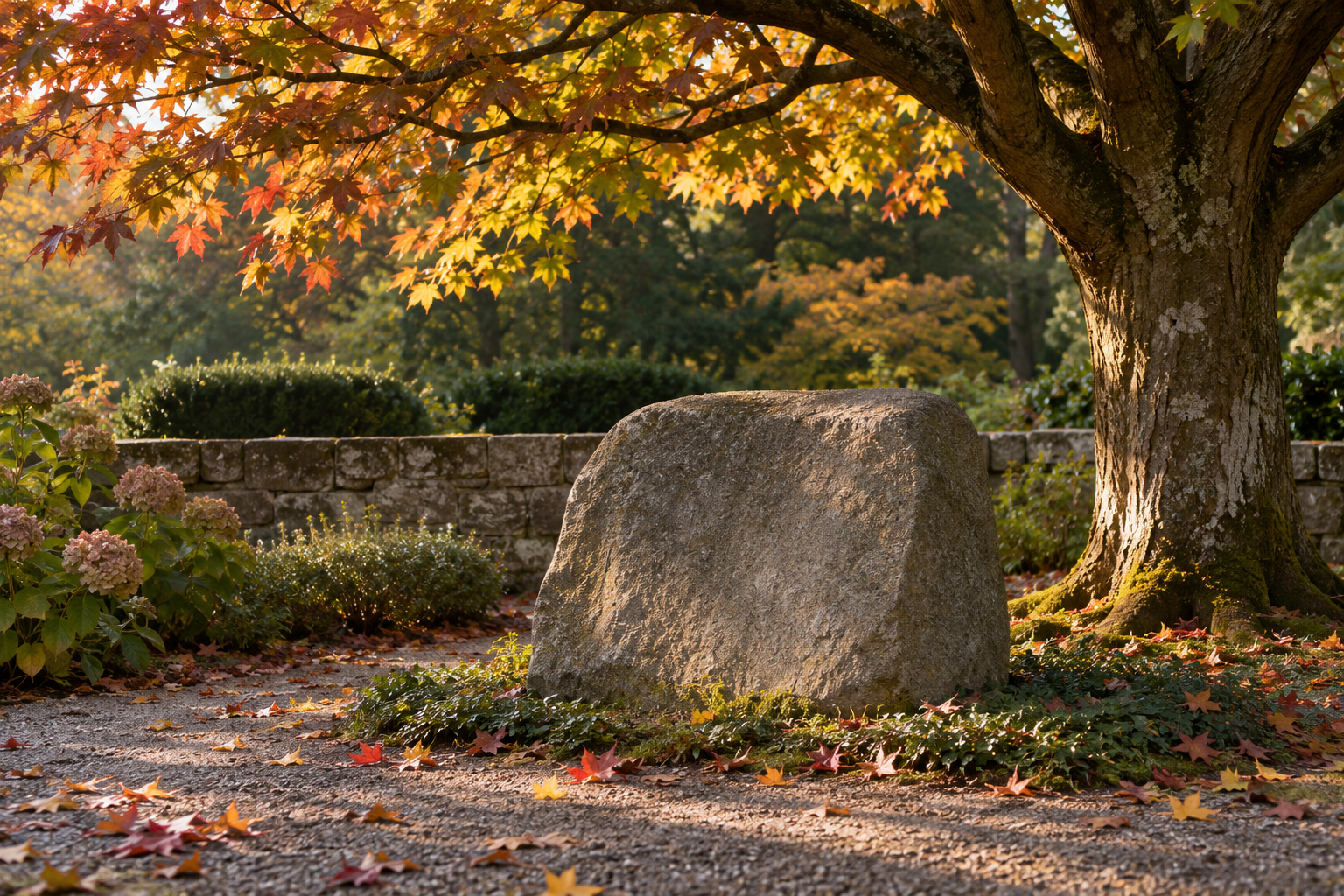
AI conceptual illustration of an unmarked stone in a quiet garden
AI-generated editorial illustration.

Explain the work already done without turning effort into proof. Searching several sources may narrow a question, but it does not make an unsupported conclusion more secure. A research note can record a promising lead while retaining its provisional status.

When the piece is revised, keep track of what changed and which source made the difference. This gives the enquiry a readable history of its own. A responsible account can be engaging because its reasoning is visible, even when its final question remains open.


Comparing Two Accounts Without Flattening Their Differences

Two accounts of the same subject can disagree in ways that deserve closer attention. Before merging them into one smooth summary, identify what each account says and the material on which it relies.

Choose a specific point for comparison. Record the relevant passages with their references and note whether the difference concerns a fact, an emphasis or an interpretation. These are different problems and may require different kinds of further reading.

AI conceptual illustration of books on a library table
AI-generated editorial illustration.

Look at the surrounding argument rather than extracting only the most striking sentence. A passage may answer a narrower question than the one you brought to it. Explain that mismatch before deciding that one account contradicts the other.

Your written comparison can preserve the disagreement when the available evidence does not resolve it. A clear explanation of competing interpretations gives readers more to work with than a compromise that neither source actually supports.

A Local History Walk With a Research Notebook

A local history walk can begin with one modest question about a familiar route. The aim might be to describe a surviving street pattern or compare a present view with an identified earlier image. Keep the scope small enough to explain clearly.

Before setting out, write down what your source actually shows and which details you hope to observe. During the walk, record present conditions from suitable public viewpoints. A modern observation and a historical source belong in separate parts of the notebook.

AI conceptual illustration of a fictional town map and notebook
AI-generated editorial illustration.

Afterwards, compare the two records without forcing an exact match. A changed viewpoint, incomplete source information or an uncertain identification may limit the comparison. State those limits rather than filling the gap with an appealing explanation.

The finished account can describe the walk, the sources used and the questions that remain. Its value lies in showing how the comparison was made. A careful small enquiry is often more useful than a confident story extending far beyond the available material.

Writing a Photograph Caption With Honest Limits

A caption can make an image more useful by explaining what is known and where that knowledge comes from. It can also create false certainty when an attractive guess is presented as a fact. Small choices of wording matter.

Begin with the strongest supported information. If a person or place has been identified through a named source, make that connection clear in your working notes. When an identification remains tentative, let the published caption reflect that uncertainty.

AI conceptual illustration of sepia photographs on an archive table
AI-generated editorial illustration.

Avoid asking one image to prove more than it shows. A photograph may support an observation about a visible detail while leaving the surrounding event unexplained. Additional context belongs beside the image only when it has its own support.

Clearly label conceptual or generated illustrations as such. They can accompany a discussion of research without becoming historical evidence. A good caption helps the reader understand both the purpose of the visual and the boundaries of what it can establish.

Keeping Different Versions of a Family Story

Family stories sometimes arrive in more than one version. A place, date or sequence may change between tellers. Recording the versions separately can be more useful than immediately choosing the one that sounds most complete.

Note who told each account and when the conversation took place, with their agreement. Ask whether they remember the event directly or learned about it from someone else. This question describes the route of the story without dismissing its personal importance.

AI conceptual illustration of a keepsake box and blank family tree
AI-generated editorial illustration.

Place the versions beside each other and identify the precise differences. A broad statement that the accounts disagree is less helpful than a note about one uncertain name or a different order of events. Look for supporting material where appropriate.

When writing for others, explain the uncertainty plainly. A thoughtful family history can preserve both a meaningful recollection and the limits of what is known. The aim is an honest account, not a seamless narrative created by removing every unresolved detail.

Separating a Transcription From Your Interpretation

Copying a passage and explaining its meaning are different tasks. Keeping them distinct makes a research note easier to review. A later reader should be able to see where the source ends and where your own reasoning begins.

Give the copied passage a clear label and record its location. Mark anything you cannot read instead of silently supplying a plausible word. If you make a modernised reading for convenience, keep it separate from the closer transcription.

AI conceptual illustration of folders and index cards in an archive reading room
AI-generated editorial illustration.

In another paragraph, describe what you think the passage suggests. Explain the steps that connect the wording to your interpretation, including any context still missing. An uncertain reading should remain visible even when one explanation seems especially attractive.

Return to the note when new material appears. You may revise the interpretation while leaving the recorded wording unchanged. This arrangement preserves the path of the enquiry and makes it easier to recognise how your understanding developed over time.

Writing About a Memorial Place With Care

A visit to a memorial place can prompt reflection, but a personal impression is only one part of its story. A careful account distinguishes the experience of visiting from documented information about the place and the people it concerns.

Begin with a plain description of what you observed. Note the setting, the route through the space and any publicly presented wording you intend to discuss. Check the source and context before expanding those observations into a historical claim.

AI conceptual illustration of an unmarked stone in a quiet garden
AI-generated editorial illustration.

Keep the tone proportionate to the subject. The purpose of a personal essay need not be to speak for everyone connected with the place. Explain your own viewpoint and recognise what your visit could not establish.

A quiet ending may be more appropriate than a dramatic conclusion. The piece can leave a reader with a well-supported question, a clearly attributed source or a precise observation. Careful limits allow reflection and historical enquiry to sit alongside each other.

Keeping Reading Notes That You Can Trace Later

A reading note is most useful when it preserves both an idea and a route back to the page. A memorable sentence without its context can become difficult to evaluate once the book is no longer at hand.

Record the edition and the location of the passage alongside your note. Distinguish a direct quotation from a paraphrase, and keep your own response in a separate paragraph. This simple division makes later writing easier to check.

AI conceptual illustration of books on a library table
AI-generated editorial illustration.

Add a sentence explaining why the passage matters to your question. It may offer evidence, a different interpretation or a lead to another source. Naming that role prevents a notebook from becoming an unstructured collection of appealing excerpts.

At the end of a reading session, review the questions that remain. A useful note does not need to summarise the entire book. It needs enough context to support the particular enquiry and enough precision to let you examine the original passage again.

Reading a Map Through Its Own Labels

A map can become a more interesting source when approached through its own presentation. Before comparing it with a familiar view of a place, note its title, date information, scale and legend where these are available.

Describe the features that receive emphasis and those that are absent. Keep your observations tied to the particular map rather than assuming that every blank area represents an empty landscape. An unanswered question may concern the map itself as much as the place.

AI conceptual illustration of a fictional town map and notebook
AI-generated editorial illustration.

Choose one small area for closer comparison with another identified source. Record the dates and purposes of both items. Similar outlines do not remove the need to examine how the information was selected and presented.

Finish by writing what the comparison adds to your original question. A map study need not reconstruct an entire town. One carefully explained feature can provide a useful piece of local research while leaving the larger landscape open to further enquiry.

Describing an Old Photograph Before Naming Its Story

An old photograph invites a story almost immediately. Before supplying one, spend a few minutes describing what is actually visible. The setting, arrangement and edges of the image can provide useful questions without establishing an identity or date.

Make a separate note for any inscription or information supplied with the photograph. Record where that description came from and whether it refers to the original print or a later copy. A caption is another source to consider, not an automatic explanation.

AI conceptual illustration of sepia photographs on an archive table
AI-generated editorial illustration.

List possible interpretations after the visual description. Use language that reflects your confidence: visible, reported, possible or unknown. A familiar-looking building or garment can suggest a direction for research without proving the whole scene.

The resulting note may remain brief, but it gives future work a firmer starting point. Careful description protects the photograph from a story attached too quickly and allows later evidence to change the interpretation without losing the original observation.

Starting a Family History With an Everyday Object

A family history project can begin with an ordinary object rather than a complete family tree. A notebook, a household tool or a keepsake may provide a small, concrete subject around which to gather recollections.

Describe the object before explaining its supposed story. Record who currently holds it, what they remember about receiving it and which details remain uncertain. Keep their words distinct from information drawn from other sources.

AI conceptual illustration of a keepsake box and blank family tree
AI-generated editorial illustration.

Invite a willing relative to talk about its place in everyday life. Let the conversation follow their interests rather than pressing for a dramatic revelation. Agree together on whether any notes or images should be shared beyond the conversation.

A short account can end with open questions. An unknown date or a missing name does not make the object unworthy of attention. Carefully recorded limits leave room for future discoveries while preserving a modest part of a shared past.

Beginning an Archive Notebook With One Clear Question

An archive notebook becomes easier to use when it begins with a manageable question. A broad interest in the past can lead in many directions at once. One named place, a particular object or a short period provides a more practical starting point.

Write the question at the top of the page and list what you already know beneath it. Keep that list separate from assumptions and stories you have heard. A promising possibility can guide a search without being treated as a settled answer.

AI conceptual illustration of folders and index cards in an archive reading room
AI-generated editorial illustration.

For every item consulted, leave enough information to find it again. Add a short description of what it contributes and what it cannot tell you. The note should make sense to your future self without depending on a memory of the research session.

End with a revised question rather than a forced conclusion. A useful first session may reveal that the original question was too large or that a different source is needed. That clarification is progress worth recording in its own right.