
Category: Family History

Keeping Different Versions of a Family Story

Family stories sometimes arrive in more than one version. A place, date or sequence may change between tellers. Recording the versions separately can be more useful than immediately choosing the one that sounds most complete.

Note who told each account and when the conversation took place, with their agreement. Ask whether they remember the event directly or learned about it from someone else. This question describes the route of the story without dismissing its personal importance.
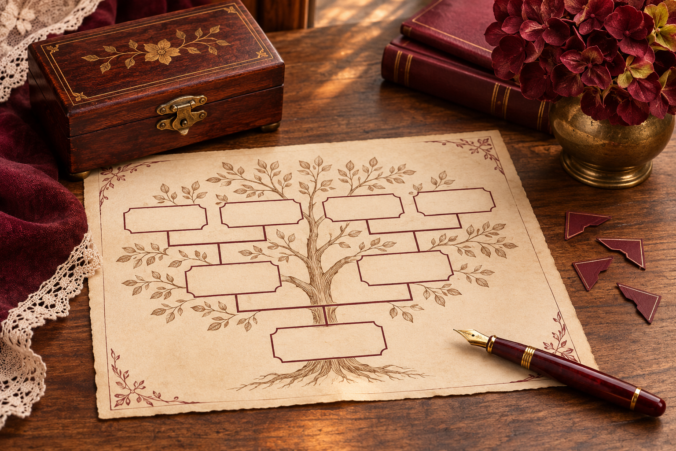
AI conceptual illustration of a keepsake box and blank family tree
AI-generated editorial illustration.

Place the versions beside each other and identify the precise differences. A broad statement that the accounts disagree is less helpful than a note about one uncertain name or a different order of events. Look for supporting material where appropriate.

When writing for others, explain the uncertainty plainly. A thoughtful family history can preserve both a meaningful recollection and the limits of what is known. The aim is an honest account, not a seamless narrative created by removing every unresolved detail.

Starting a Family History With an Everyday Object

A family history project can begin with an ordinary object rather than a complete family tree. A notebook, a household tool or a keepsake may provide a small, concrete subject around which to gather recollections.

Describe the object before explaining its supposed story. Record who currently holds it, what they remember about receiving it and which details remain uncertain. Keep their words distinct from information drawn from other sources.

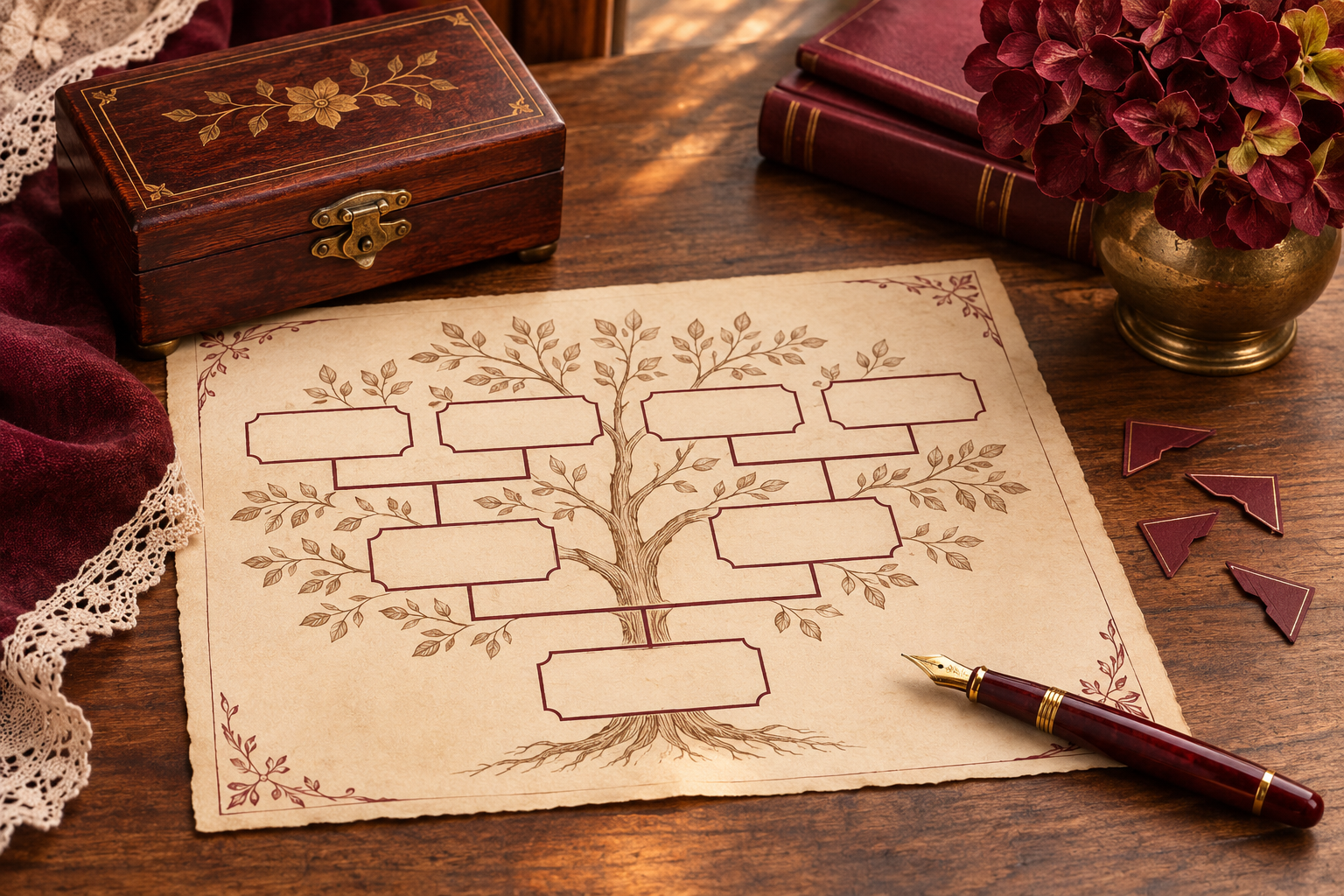
AI conceptual illustration of a keepsake box and blank family tree
AI-generated editorial illustration.

Invite a willing relative to talk about its place in everyday life. Let the conversation follow their interests rather than pressing for a dramatic revelation. Agree together on whether any notes or images should be shared beyond the conversation.

A short account can end with open questions. An unknown date or a missing name does not make the object unworthy of attention. Carefully recorded limits leave room for future discoveries while preserving a modest part of a shared past.